

Fuugu Foaming Toilet Cleaner NZ-New Zealand Review: A Simpler Way to Tackle Toilet Buildup
Cleaning the toilet is one of those household jobs most people would rather finish quickly. However, stubborn toilet rings, limescale and stains can turn a simple task into a frustrating scrubbing session. That’s where Fuugu Foaming Toilet Cleaner NZ aims to make a difference.
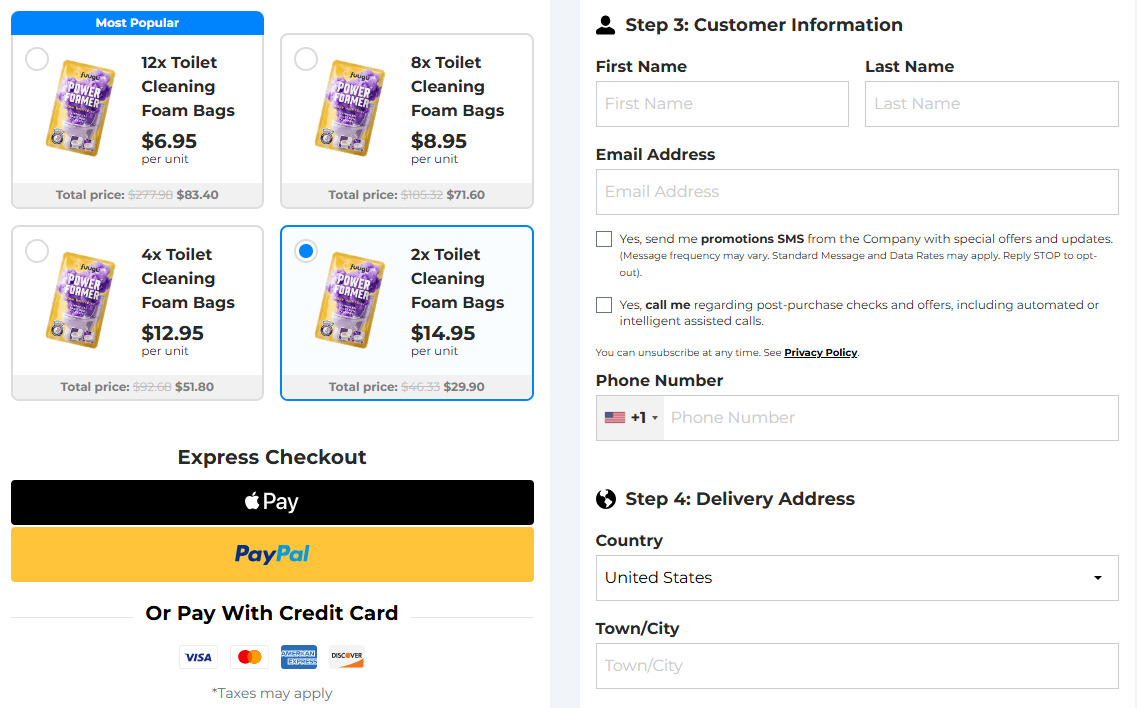

Fuugu Foaming Toilet Cleaner NZ is a powdered toilet bowl cleaner that comes in pre-measured sachets. Once you pour a sachet into the toilet water, the formula creates foam designed to rise along the bowl and reach beneath the rim. Instead of immediately reaching for a brush, you let the foam sit before flushing.
For New Zealand households looking for a more convenient toilet-cleaning routine, Fuugu offers a different approach to traditional liquid cleaners. Still, it’s worth understanding what the product claims to do, how to use it correctly, and where its limitations matter.
What Is Fuugu Foaming Toilet Cleaner NZ?
Fuugu Foaming Toilet Cleaner NZ is a toilet-bowl cleaning powder packaged in individual, pre-measured bags. The brand promotes its foaming action as a way to help loosen mineral buildup, hard-water rings, limescale and rust-related staining.
Unlike a conventional toilet gel that runs down the bowl, Fuugu is designed to create rising foam that spreads across the bowl’s surface and beneath the rim. Consequently, it aims to provide cleaning contact in areas that can be awkward to reach with a toilet brush.
The product is intended for toilet-bowl cleaning. It is not a general-purpose bathroom cleaner, and the brand states that it does not replace a disinfectant.
How Does Fuugu Foaming Toilet Cleaner NZ Work?
Fuugu uses a simple pour-and-wait routine. According to the product’s instructions, the process involves three steps:
- Pour: Open one pre-measured sachet and pour the contents directly into the toilet bowl.
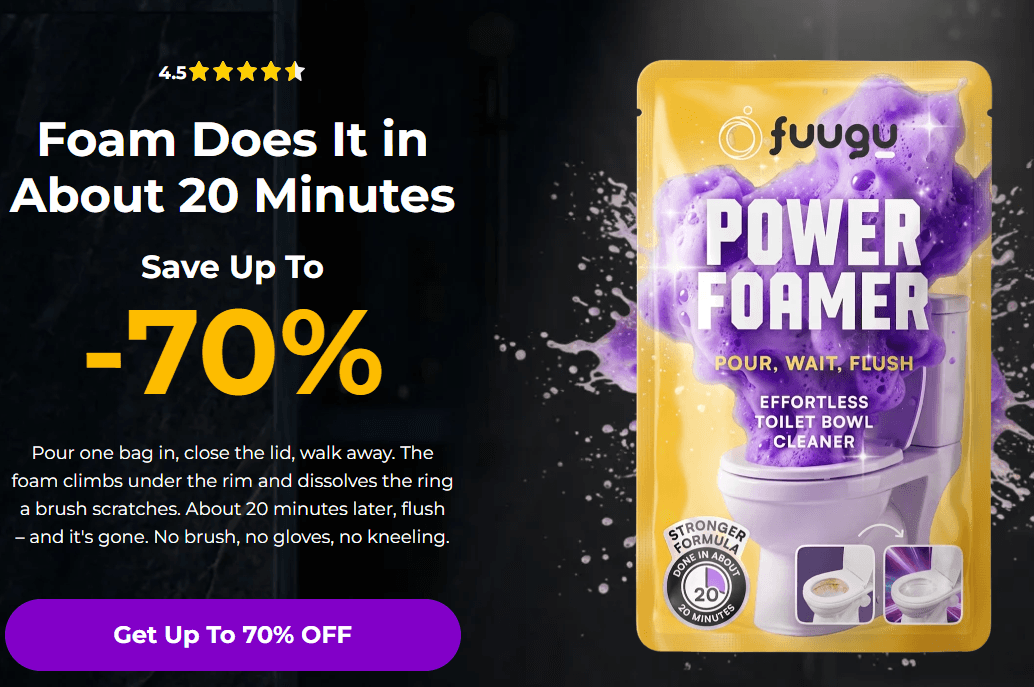
- Wait: Close the toilet lid and allow the foam to work for approximately 20 minutes.
- Flush: Flush the toilet to rinse away the foam and loosened residue.
The brand says the foam rises along the bowl walls and reaches beneath the rim. However, the height and coverage can vary depending on the toilet’s shape and water level.
For heavy or long-standing mineral deposits, one treatment may not be enough. The manufacturer notes that repeated weekly applications may help address more stubborn buildup.
Fuugu Foaming Toilet Cleaner NZ: Key Features
1. Rising Foam Coverage
Fuugu’s main selling point is its climbing foam. The product is designed to spread beyond the waterline and reach beneath the rim, where grime and mineral deposits can accumulate.
This feature may appeal to people who find traditional toilet gels difficult to apply evenly.
2. Designed for Mineral Buildup
The brand markets Fuugu for hard-water rings, limescale and rust-related staining. These deposits can be difficult to remove with routine cleaning, particularly when they build up over time.
Nevertheless, results depend on the condition of the toilet and the severity of the deposits. Older, heavier buildup may require repeated cleaning.
3. Pre-Measured Sachets
Each sachet contains a pre-measured amount of cleaner. Therefore, users do not need to estimate how much product to pour from a large bottle.
The individual sachets also make the cleaning routine straightforward: use one sachet, allow the foam to work, and flush according to the directions.
4. Bleach-Free Formula
Fuugu’s product information states that its formula does not contain chlorine bleach, ammonia or quaternary ammonium compounds, commonly called quats.
This may interest shoppers who prefer a toilet cleaner without those ingredients. However, bleach-free does not automatically mean risk-free. Always follow the product label, avoid contact with eyes and skin, and keep cleaning products away from children and pets.
5. Septic-System Considerations
Fuugu describes the product as septic-safe when used as directed. If your home in New Zealand uses a septic system, check the product instructions and your system’s requirements before use.
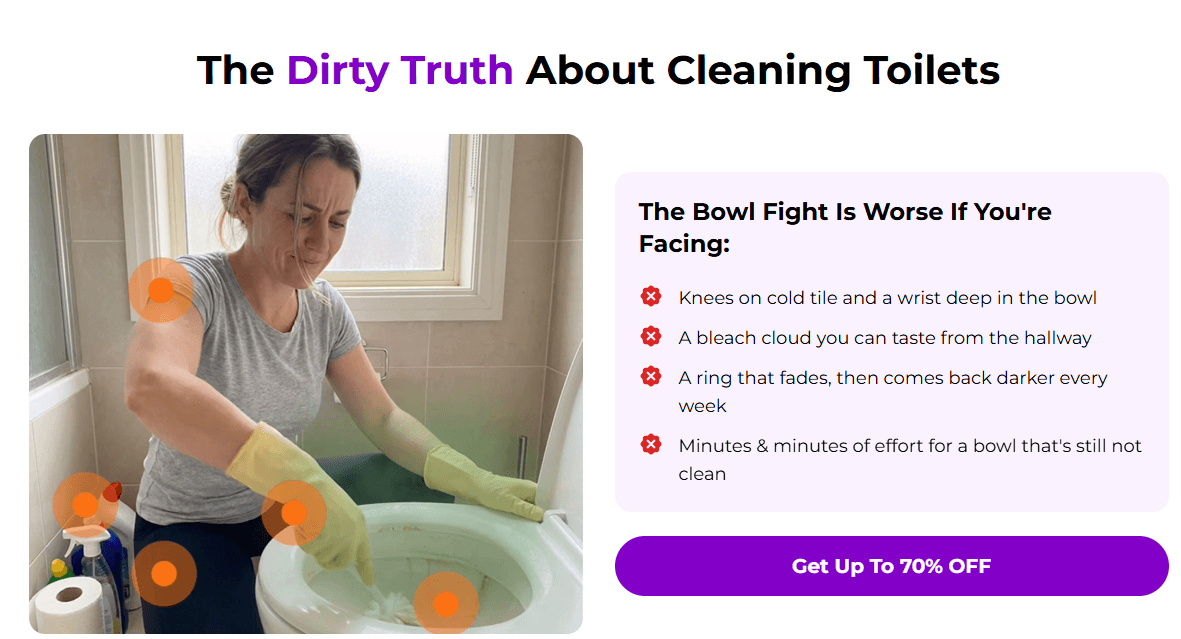
What Can You Expect From Fuugu Foaming Toilet Cleaner NZ?
Fuugu is designed to simplify routine toilet-bowl cleaning, particularly when mineral rings and buildup are a concern. Its sachet format and foam-based application may make the process feel less hands-on than using a traditional cleaner.
However, it is important to set realistic expectations:
- The product is designed to clean toilet bowls, not every bathroom surface.
- Heavy or older stains may require more than one treatment.
- Foam coverage can vary between toilet designs.
- Fuugu is a cleaner, not a disinfectant.
- The brand’s product demonstrations and performance claims should not be treated as independent proof of results in every household.
For people who need to disinfect a toilet, a suitable registered disinfectant may still be necessary. Use it separately and follow its label instructions. Never mix Fuugu with bleach, ammonia or other cleaning products.
How Often Should You Use Fuugu Foaming Toilet Cleaner NZ?
The brand recommends using one sachet per toilet each week as a routine-cleaning approach. If the toilet has substantial mineral buildup, the manufacturer says repeated applications may be needed before returning to a weekly routine.
That said, always check the current packaging for the correct directions. Avoid using more product than recommended, and do not apply it to drains, showers, tiles, laundry or other surfaces unless the label specifically permits it.
Is Fuugu Foaming Toilet Cleaner NZ Worth Considering in New Zealand?
Fuugu Foaming Toilet Cleaner NZ may be worth considering for New Zealand shoppers who want a pre-measured toilet cleaner with a foam-based application. Its main appeal lies in its straightforward routine and its focus on toilet-bowl deposits such as limescale and hard-water rings.
It may be especially interesting to people who dislike measuring liquid cleaners or repeatedly scrubbing beneath the toilet rim. On the other hand, anyone expecting a single treatment to remove years of buildup should keep the brand’s own guidance in mind: stubborn deposits may need repeated use.
Before ordering, review the official product page for current availability, delivery information, pricing and any applicable terms. The supplied product page may display a regional market that differs from New Zealand, so confirm that the order is intended for NZ delivery.
Final Verdict
Fuugu Foaming Toilet Cleaner NZ offers a different approach to toilet maintenance: a pre-measured powder sachet that creates rising foam and sits in the bowl for around 20 minutes before flushing.
Its advertised features include foam coverage beneath the rim, a bleach-free formula and a simple weekly routine. However, results can vary, and the product does not replace a disinfectant when disinfection is required.
For shoppers in New Zealand, the key question is whether this convenient format suits their cleaning habits and toilet-bowl needs. Read the directions, check the current product details, and keep expectations realistic—especially when dealing with long-standing stains.
This article is for general product information. Always follow the product label and the manufacturer’s safety instructions.